Second or third slab leak in two years
We map the whole system with electronic leak detection and thermal imaging, then replace every failing run at once. One job, one permit, one recovery. You stop budgeting for the next leak.
Whole-House Repiping Missouri City TX replaces every failing supply line in your home with new copper or PEX, so you stop chasing one slab leak after another. If your Fort Bend County house was built before 1995, the pipes behind your walls are near the end of their life. We run repiping services Missouri City TX for homeowners in Sienna, Quail Valley, and Lake Olympia, pulling permits, protecting floors, and pressure-testing every line before we hand back the keys.
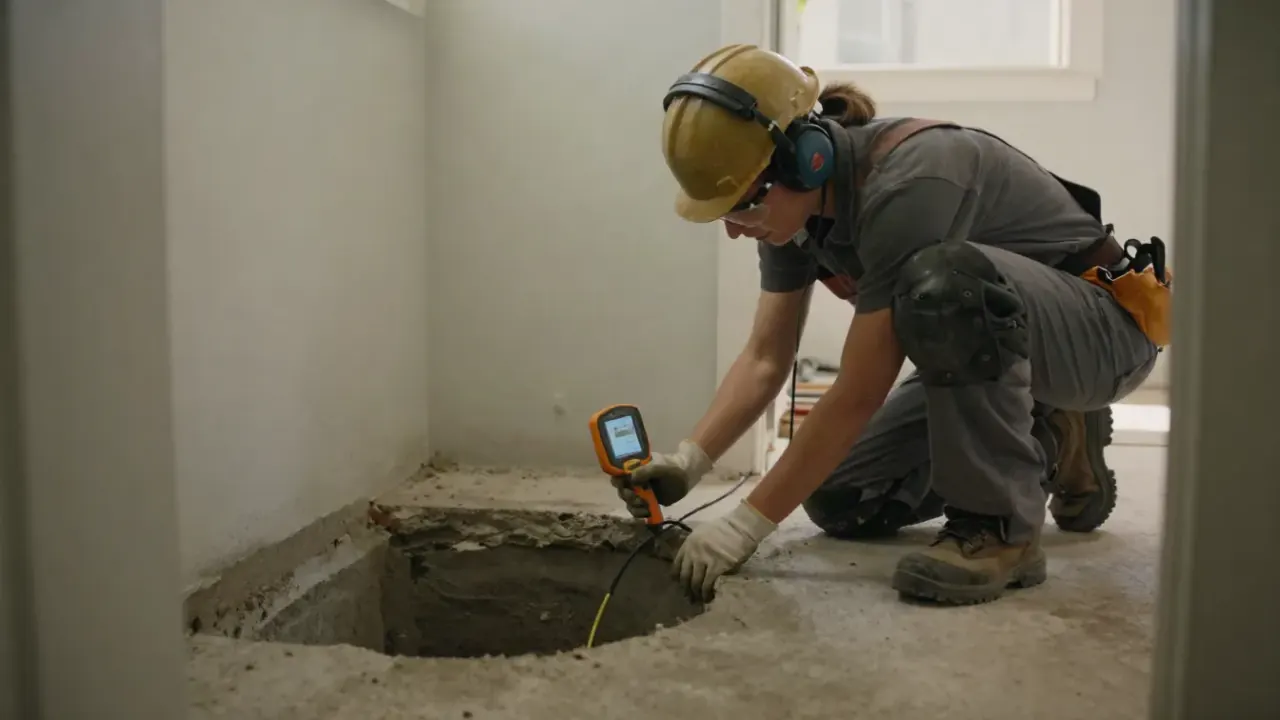
Whole-house repiping Missouri City TX is a full replacement of the potable water lines running through your home, from the meter or main shutoff to every fixture, that is needed when corrosion, pinholes, or repeated slab leaks make repair pointless. We cut out the old galvanized or thin-wall copper, run new PEX or copper through attics, walls, and soffits, and tie in every shower, toilet, hose bib, and water heater. Most homes get 30 to 60 new feet of main line plus 150 to 400 feet of branch piping, all sized to current code.
Missouri City sits on expansive clay soil that shifts with every wet and dry cycle, and that movement is brutal on under-slab copper. Homes in Quail Valley and Colony Lakes built in the 1970s and 1980s are the ones we repipe most, usually after a second or third slab leak in the same year. If you have been searching whole home repipe near me Missouri City, the honest answer is that patching a 40-year-old line buys months, not years. A whole home repipe in Missouri City resets the clock on the entire system at once.
Every repipe we sell covers the full system, not just the easy runs. Here is what is in the price, from the main shutoff to the last hose bib, plus the cleanup and paperwork that come with it.
New PEX or Type L copper from the main shutoff through every branch line to each fixture. That includes the water heater connections, washing machine box, and exterior hose bibs. We size every run to current code so pressure stays strong at the far bathroom.
We pull the plumbing permit with the city and meet the inspector on site for the rough-in and final. You do not chase paperwork. The permit record stays with the house and shows up clean on any future resale inspection.
Every shutoff gets replaced with a new quarter-turn valve, and we install new supply lines at each fixture. Old gate valves that will not close are the number one cause of a small leak turning into a flooded room. This is cheap insurance while the walls are open.
We hold the new system at 100 psi for at least 2 hours and log the result. You receive photos of the new lines before the walls close, the test record, and a labeled shutoff map for the whole house. That package is what your insurance company and buyer want to see.
We patch the access holes we cut, texture to match, and haul off all debris. Floors stay covered with drop cloths the entire job. You are not left with open walls or a pile of old pipe in the driveway.
Our labor carries a written workmanship warranty, and the pipe and fittings carry manufacturer coverage. If a fitting we installed weeps, we come back and make it right at no charge. We put the terms in writing before the job starts.
We start with electronic leak detection and a thermal imaging camera scan of the slab, walls, and water heater closet. You get a written scope, a fixed price, and a start date, usually within 24 hours of the call. No guesswork, no surprise line items.
We pull the plumbing permit with the city and map the new runs through the attic or soffit so we cut as few walls as possible. You see the route before we open anything. Most permits clear in 2 to 5 business days.
Our crew runs new PEX or copper mains and branches, typically 2 to 4 days for a 2,000-square-foot home. We protect floors with drop cloths, keep the old system live where we can, and give you a nightly water-on window so you can still shower and do dishes.
Every toilet, sink, tub, shower valve, hose bib, and the water heater gets tied in and tested. We replace shutoff valves and supply lines while we are in there. This stage runs 1 to 2 days depending on how many fixtures your home has.
We pressure-test the whole system at 100 psi for a minimum of 2 hours, then patch drywall and stucco and haul off debris. You get a walkthrough, photos of the new lines, and the warranty paperwork before we leave.
Purpose-built equipment, used by trained technicians — so the job is done accurately the first time.
Picks up the sound of water escaping a pressurized line through slab and soil. It tells us exactly where to cut before we ever open the floor.
Shows temperature differences behind walls and under floors so we can trace a hot line leak without tearing out cabinets or tile.
Confirms the leak location on the water service line and under-slab runs. We use it to verify before and after the repair.
Crimp copper and PEX fittings in seconds without a torch. No open flame in your attic, and a joint that is mechanically consistent every time.
Lets us look inside walls and pipe runs before we commit to a route. It is how we keep access holes small and drywall repair minimal.
Verifies the slab and framing are dry after the repipe. We do not call a job done until the readings say the moisture is gone.
Holds the new system at 100 psi for at least 2 hours. If a joint weeps, we find it before the walls close, not after.
A 1978 home with three slab leaks in two years, rusty water at the kitchen tap, and a $180 monthly water bill. The owner had already spent about $6,000 on patches and flooring repair.
Full repipe with Uponor PEX in five working days. Water bill dropped to $95 the first full month, pressure at the far bathroom rose from 38 to 62 psi, and the system held 100 psi for two hours on the final test.
A 2004 post-tension slab home with a hot-water leak under the living room tile. Two other companies quoted breaking out the floor and cutting tile across the room.
We tunneled 14 feet from the side yard and rerouted the main through the attic. No tile was broken, the leak stopped, and the job finished in nine working days including patch and paint.
A rental with a tenant in place and a water bill that jumped from $70 to $240 in one cycle. The owner needed the fix without displacing the tenant.
Acoustic detection found the under-slab loss in one visit. We repiped the hot side and rerouted the cold main, finishing in four days with the tenant home the whole time. The next bill came in at $78.
Most repipe calls start with the same three complaints. If any of these sound familiar, the pipe is telling you it is done.
Ask a pro →We map the whole system with electronic leak detection and thermal imaging, then replace every failing run at once. One job, one permit, one recovery. You stop budgeting for the next leak.
We pressure-test each zone to isolate the loss, then repair or repipe depending on pipe condition. You get a written report and a before-and-after meter reading so you can verify the fix.
A whole house plumbing repipe Missouri City restores full flow and clear water at every fixture. We replace the corroded runs with new pipe sized for your home, then verify pressure at the farthest tap.
We find the leak, stop the water, and reroute the line out of the soil where possible. That removes the source of the movement instead of just patching the crack.
$4,500 - $12,000 depending on size, material, and slab access
Typical 2026 pricing in this area runs $4,500 to $12,000 for a full repipe, with most 2,000-square-foot homes landing between $6,500 and $9,000. PEX comes in at the lower end and copper at the higher end. Slab access, fixture count, and how much drywall repair is needed are the three biggest swing factors. We quote a fixed number after the survey, and that number does not move unless you approve a change. If you want repiping services Missouri City TX without a surprise invoice, that is the model we use.
One repipe ends a leak cycle that costs $1,200 to $4,000 per incident and protects a foundation that costs $8,000 and up to level. The new pipe carries a warranty, the permit stays with the house, and the water bill drops back to normal. It is the rare plumbing job that pays part of itself back.
PEX costs roughly 30 to 40 percent less than copper in both material and labor. Copper lasts and some buyers prefer it, but it takes longer to install and costs more per foot. We quote both so you can weigh it.
A 1,500-square-foot home with two bathrooms is a much smaller job than a 3,500-square-foot home with four. Each additional bathroom adds a full set of branch lines and tie-ins, which adds labor and material.
If the new lines can run through the attic or soffit, you avoid tunneling cost. Post-tension slabs that need under-slab access add $1,500 to $4,000 depending on tunnel length and soil conditions.
We cut as few access holes as possible, but every hole needs patching, texture, and paint. Homes with tile or specialty finishes in the way cost more to restore than standard painted drywall.
“We had three slab leaks in two years on a 1978 house, and I was done paying for patches. Their crew repiped the whole house in five days and kept water on every night. The pressure test photos and shutoff map they left are better than anything the last two plumbers gave me. Water bill dropped $60 the first month.”
Denise R.Homeowner, Quail Valley
✓ Verified“Post-tension slab, so nobody wanted to touch it. They tunneled from the side yard, rerouted the main through the attic, and never broke my tile. Fixed price held exactly where they quoted it. My wife was worried about the mess and honestly there was less dust than a paint job.”
Marcus T.Homeowner, Sienna
✓ Verified“Got three quotes for residential repiping Missouri City Texas and theirs was the only one that explained PEX versus copper without pushing me. We went PEX and saved about $2,000. They pulled the permit, passed inspection first try, and patched every wall they opened. Would use them again tomorrow.”
Angela P.Homeowner, Lake Olympia
✓ VerifiedMost homes land between $4,500 and $12,000 in 2026, with the typical 2,000-square-foot house in Fort Bend County running $6,500 to $9,000. PEX sits at the lower end, copper at the higher end. Slab access, fixture count, and how much drywall repair is needed move the number. We give you a fixed quote after the leak survey, not a range.
Plan on 4 to 7 working days for most single-family homes, and 2 to 3 weeks if we are also tunneling under a post-tension slab. The rough-in is the long part, usually 2 to 4 days. Fixture tie-in and patching add 2 to 3 more. You keep water every night except the final test day.
Insurance almost never pays for the pipe itself, because corrosion is considered wear and tear. It often covers the water damage and sometimes the slab access. We document the failure with photos and a leak report you can hand your adjuster. That paperwork is the difference between a paid claim and a denied one.
If the house is over 30 years old and this is your second leak in 24 months, repipe. One repair runs $1,200 to $4,000, and the next leak is usually 6 to 18 months behind it. Repiping a house with slab leaks in Missouri City Texas ends the cycle for good. We will tell you honestly if a single repair still makes sense.
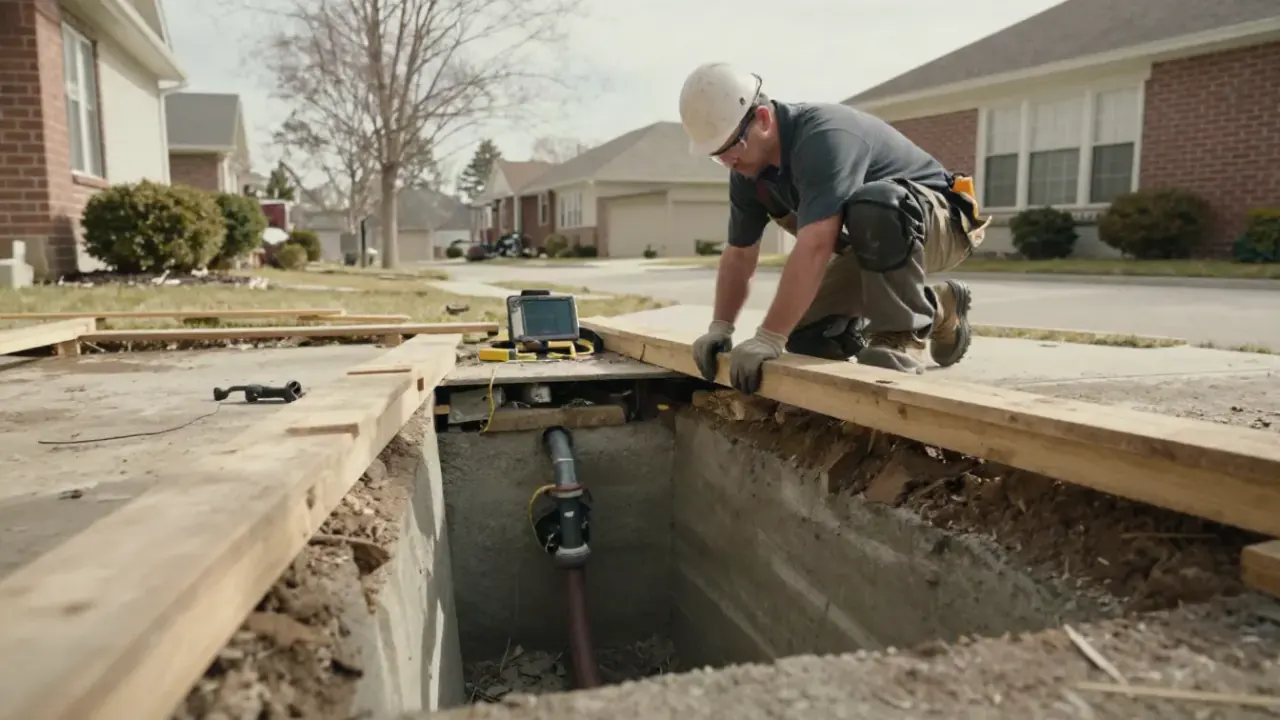 Slab Leak Tunneling (Under-Slab Access)When a repipe needs to reach under a post-tension slab, we tunnel from outside instead of breaking your floors. This keeps the living space intact and lets us reroute the new main overhead. Most Missouri City tunnels run 8 to 20 feet.Explore →
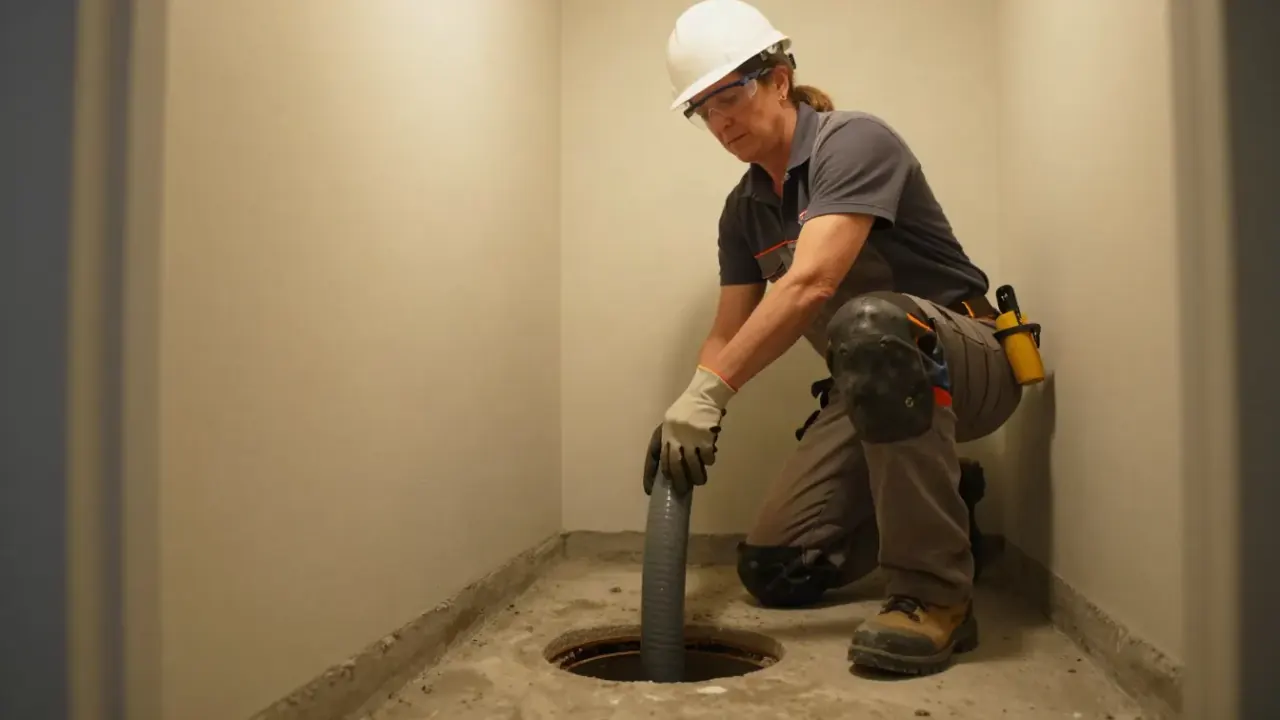 Epoxy Pipe Lining (Trenchless)For copper that still has wall thickness, CIPP epoxy lining can coat the inside of the pipe without a full repipe. We scope the line first with a SewerVUE camera. If the pipe is too far gone, we tell you and quote the repipe instead.Explore →
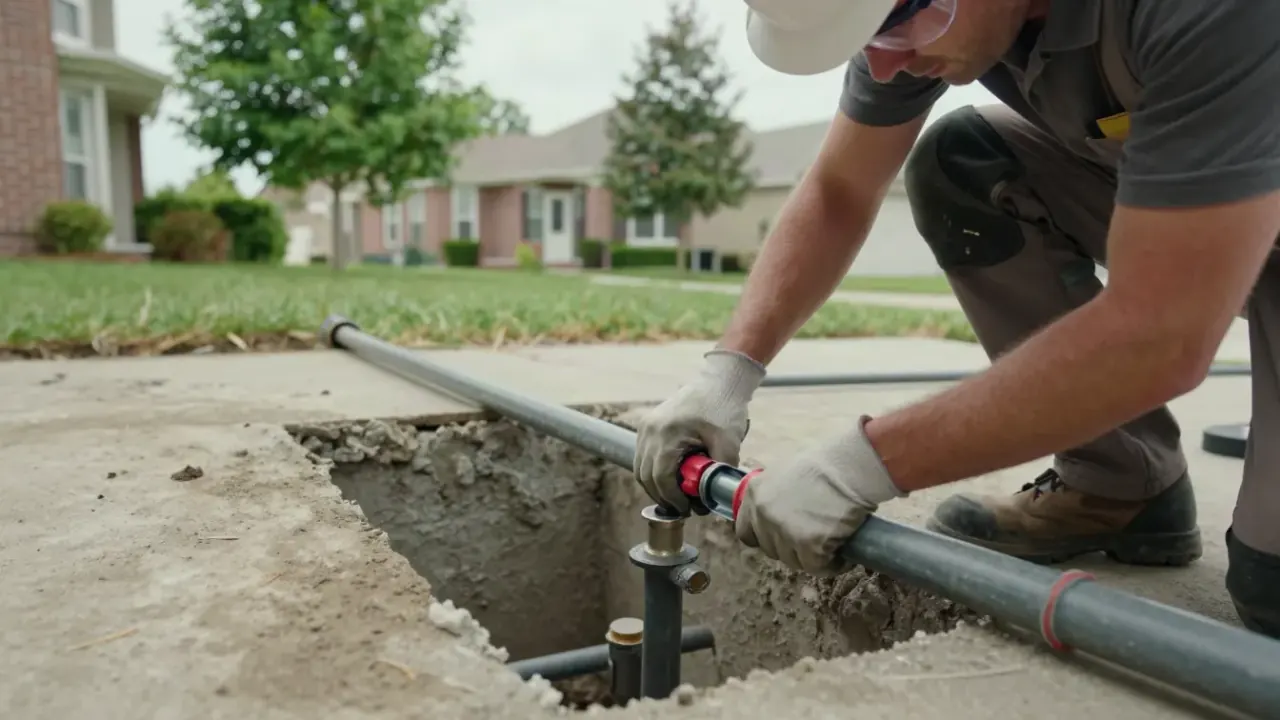 Pipe ReroutingSometimes only the under-slab section fails. We reroute those runs through the attic or exterior walls, tying into the existing good pipe. It is a middle path between a patch and a full whole-house repiping Missouri City TX job, and it often buys 10 years.Explore →
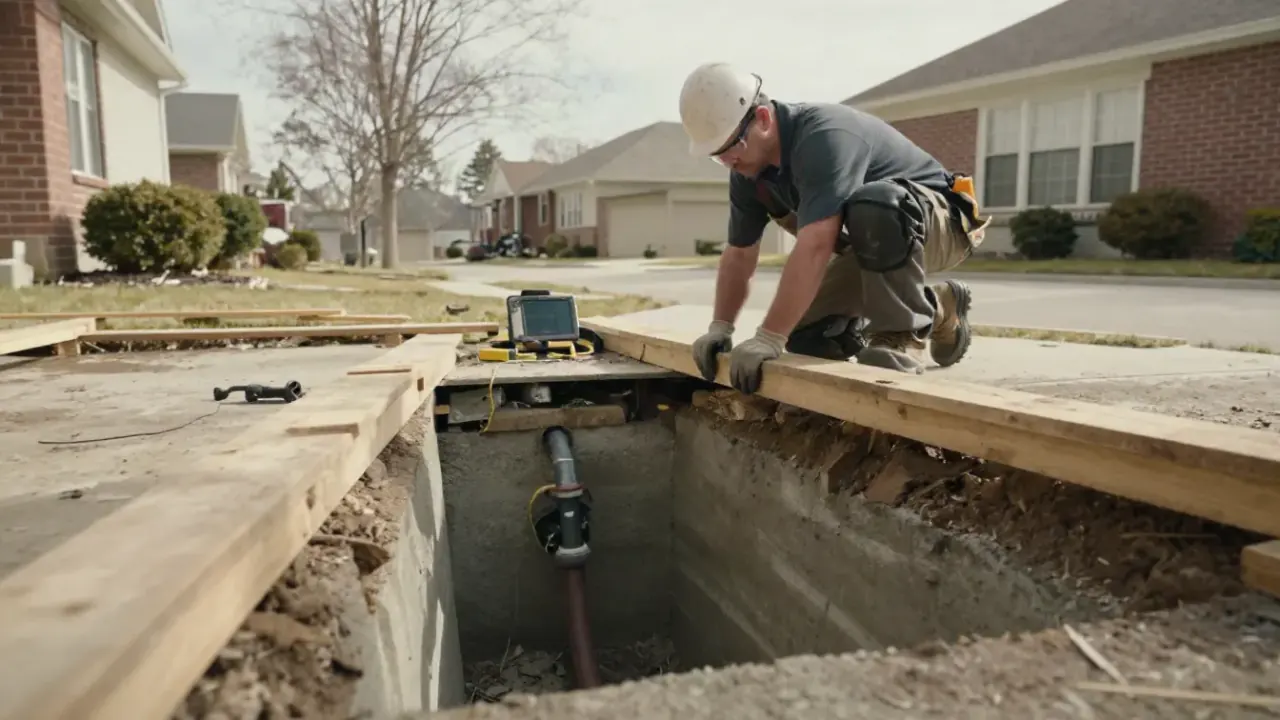 Water Service Line Leak RepairThe line from the meter to your house is your responsibility, and it fails on older Missouri City lots. We locate it with acoustic listening devices, then repair or replace the run. It pairs naturally with a repipe if the service line is original.Explore →
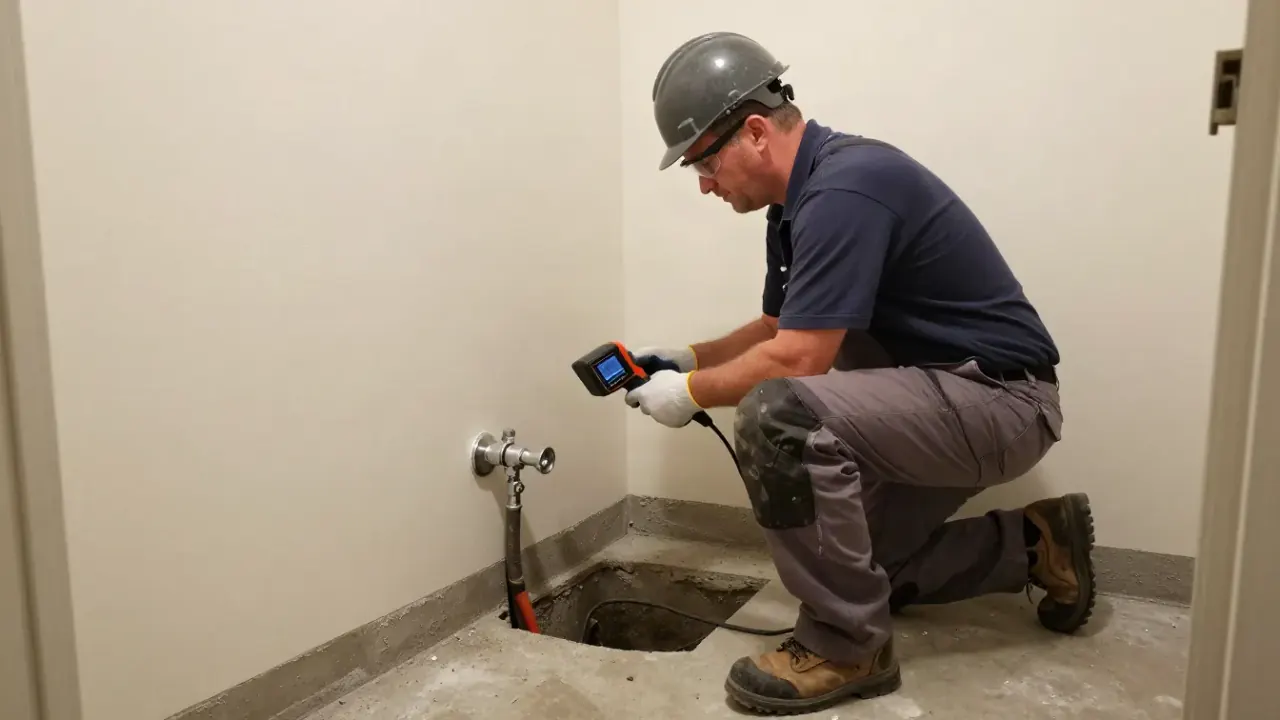 Hot Water Line Leak RepairHot lines corrode faster than cold ones, so they are usually the first to leak. If your slab leak is on the hot side, we repair it and check the rest of the system. That inspection is what tells you whether a repipe is next.Explore →
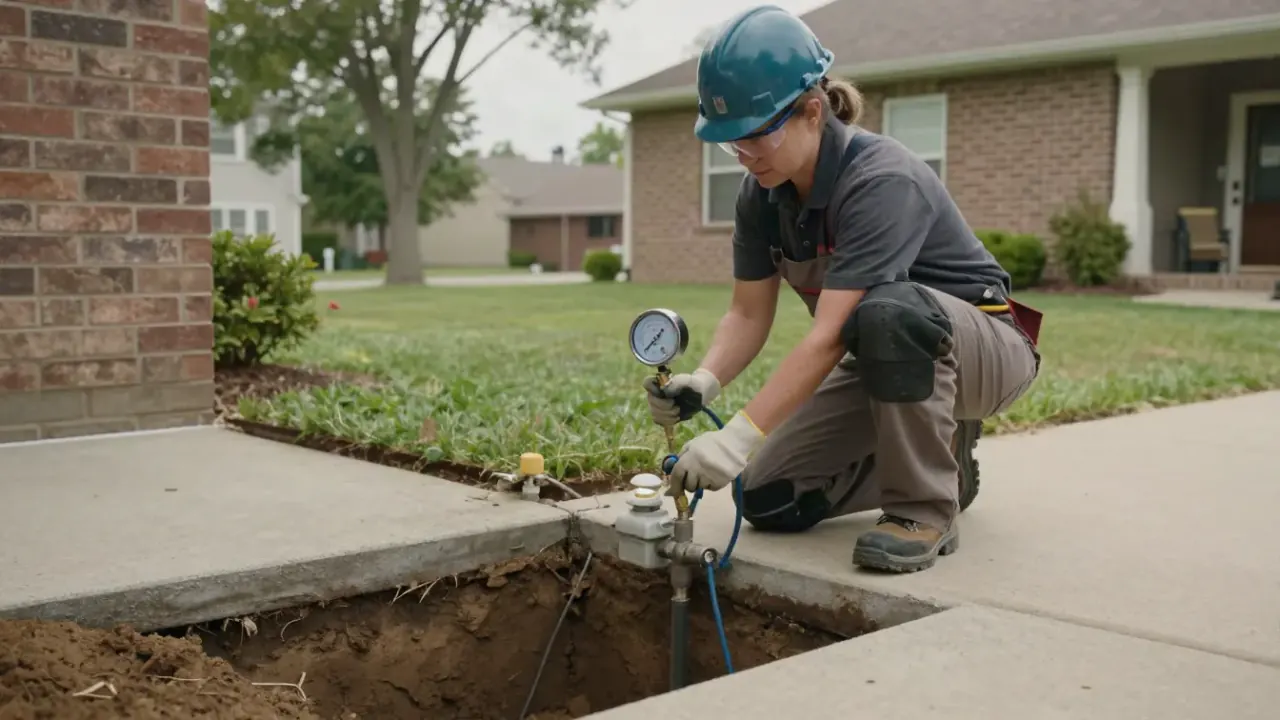 High Water Bill Leak InvestigationA meter that spins with everything off means a leak. We use pressure testing equipment and a moisture meter to find it, then give you a written report. If the cause is failing pipe, you will know whether repair or repipe is the right call.Explore →
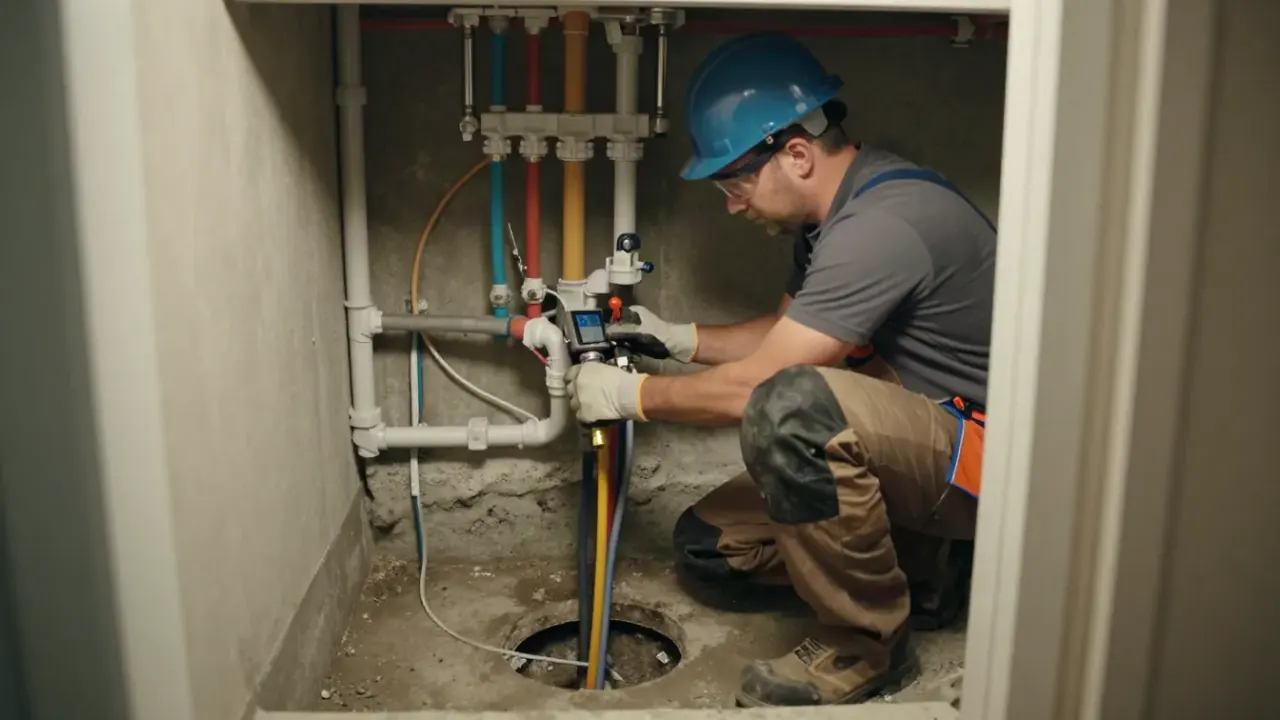 Copper Pipe RepairPinhole leaks in copper get cut out and replaced with new Type L copper and press fittings. It is the right fix for one isolated failure in otherwise sound pipe. When we find corrosion along the whole run, we say so.Explore →
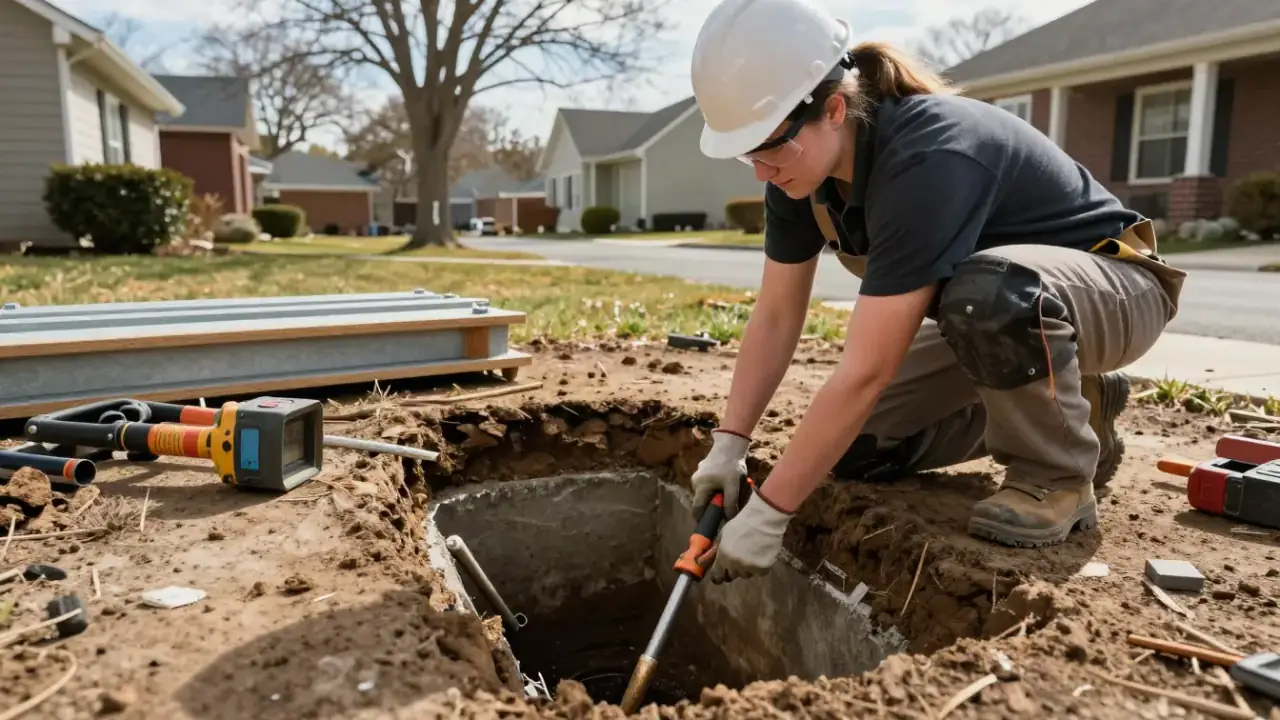 Post-Tension Slab Leak RepairPost-tension slabs have cables you cannot cut, so leak repair takes a different approach. We locate the leak, tunnel or reroute around the tendons, and pressure-test after. It is delicate work, and it is most of what we do in Sienna and Riverstone.Explore →
One call gets a licensed plumber to your door with electronic leak detection and a fixed repipe price. We answer 24/7, and we will tell you straight whether you need a repipe or a repair. Call (281) 326-6169.
Book Free Survey (281) 326-6169 →Call us at (281) 326-6169 or email [email protected]. We answer the phone 24/7 for emergencies and respond to emails within one business hour. Our office is in Missouri City, and we serve all of Fort Bend County.