Warm spots on the floor with no visible leak
We confirm the leak with thermal imaging and acoustic listening, then line the hot water run through small access points. The leak stops, the soil dries out, and your foundation stops moving.
Epoxy pipe lining Missouri City TX rebuilds your failing copper or PEX lines from the inside out, so you never have to watch a crew jackhammer your kitchen floor. If you're dealing with a hot spot on the slab, a climbing water bill, or a leak that keeps coming back, trenchless pipe lining in Missouri City gets you a code-correct fix in days, not weeks. We locate it, line it, pressure test it, and hand you back a dry floor.
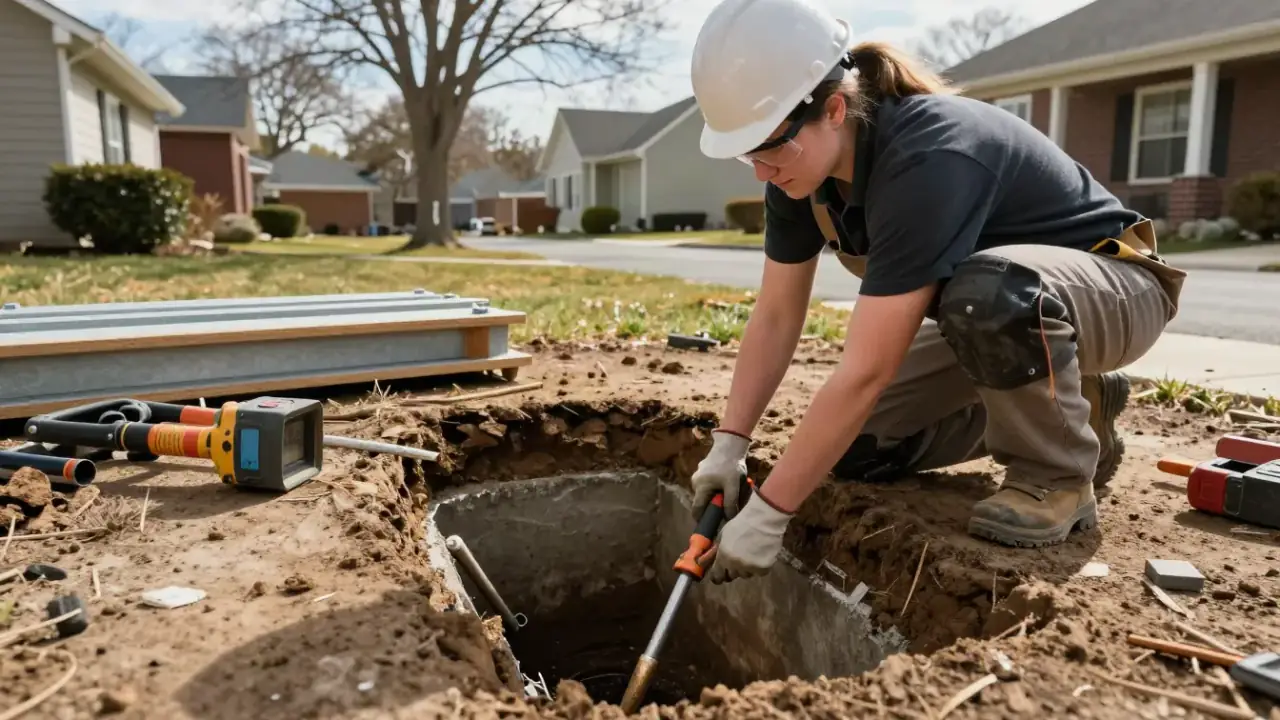
Epoxy pipe lining Missouri City TX is a trenchless rehabilitation method that pulls an epoxy-saturated felt liner through a damaged pipe, inflates it against the pipe wall, and cures it into a smooth, jointless new interior. There's no digging up the slab, no cutting out cabinets, and no rerouting water lines through your attic. We work through small access points at each end of the run, so a typical under-slab repair that used to mean three days of demolition now finishes in one or two.
Most of the calls we run in Fort Bend County start the same way: a homeowner in Sienna or Quail Valley notices warm spots on the tile, a water bill that jumped $60 to $120 in a month, or a faint sound of running water when nothing is on. Copper pipe corrosion is the usual culprit in homes built before 2005, and the hot water line always goes first. If you've been searching epoxy pipe lining near me Missouri City TX, the fix is closer and less invasive than you think.
Every lining project includes the diagnostic work, prep, installation, and testing needed to put the line back in service. Here's what you're paying for, and what we'd quote separately if your situation calls for it.
Electronic leak detection, acoustic listening, thermal imaging, and camera inspection of the failed run. You get the footage and a plain-English explanation of what failed and why.
Mechanical scrubbing and jetting to bare metal, followed by drying and a pressure test. Prep is where lining jobs succeed or fail, and we don't shortcut it.
Epoxy resin-saturated felt liner pulled, inflated, and cured in place at controlled pressure. Cure time runs 3 to 4 hours, and we monitor it the whole way.
We test the lined section to working pressure before restoring flow, so you know the repair holds before we patch the access points and pack up.
Concrete patch matched to your slab at each access point. We keep cuts small and plan them around post-tension cables and finished flooring.
You get documentation of what was lined, the test results, and your warranty terms, useful for insurance claims and resale down the road.
We start with electronic leak detection and acoustic listening devices to pinpoint the failure, then confirm with a thermal imaging camera. A pipe locator maps the run so we know exactly where to cut access. Most inspections take 45 to 90 minutes, and you get a straight answer on whether lining is the right fix or whether repiping makes more sense.
We open two small access points, usually at a manifold or a fixture stub-out, keeping the cuts under 2 square feet each where the layout allows. In Sienna and Riverstone homes with post-tension slabs, we plan those cuts around the cable runs before the saw ever touches concrete.
The line gets mechanically scrubbed and jetted to bare metal, then dried. Prep is the whole ballgame with CIPP lining Missouri City work. If the pipe wall isn't clean, the epoxy won't bond, and you'll be back to square one in a year. We pressure test after cleaning to verify the run is sound enough to line.
We pull the epoxy resin-saturated pipe lining felt through the run, inflate it against the wall, and hold it under pressure while it cures. Cure time runs 3 to 4 hours depending on line size and ambient temperature. Once it sets, the liner is bonded to the host pipe and the interior is smooth as new.
We pressure test the lined section, restore flow, and patch the access points with concrete patch matched to your slab. You get a written summary of what was lined, the test pressure it held, and the warranty terms. Water goes back on the same day in most cases.
Purpose-built equipment, used by trained technicians — so the job is done accurately the first time.
Pinpoints under-slab leaks by sound and signal before we cut anything, so access points land in the right place.
Maps temperature differences on the slab to confirm hot water line leaks and trace the run's path.
Maps the buried run and records interior condition so we know whether the pipe can be lined.
Verifies the run holds pressure before lining and confirms the finished liner holds after cure.
The core installation: resin-saturated felt pulled through the pipe, inflated, and cured in place.
Used for access cuts, pipe prep, and mechanical cleaning of the host pipe before liner insertion.
Checks slab and subfloor moisture before and after the repair to confirm the area is drying out.
A 1981 home with a confirmed hot water line leak under the kitchen. Two prior patch repairs had failed, the water bill was up $110 a month, and the tile was warm to the touch across a 6-foot stretch.
We lined 32 feet of the run through two small access points in a single day. Pressure held at working pressure on the first test, the warm spot faded within a week, and the next water bill came back to baseline.
A 2004 build with three separate pinhole leaks in under-slab copper, all within 25 feet. The homeowner had been quoted a full slab-break repipe and was told the post-tension cables made it risky.
One lining pass sealed all three failure points in about five hours of work. No cables were touched, no flooring came up, and the line passed pressure testing before we patched the access cuts.
A 1974 home with a slab leak under original hardwood. The homeowner refused a repipe because it meant pulling up the floor. Water was wicking into the baseboards and the moisture meter read high across two rooms.
We lined the failed run through exterior access and left the hardwood untouched. Moisture readings dropped to normal within three weeks, and the baseboards dried without replacement.
Most of what we fix starts as something small: a warm spot, a higher bill, a sound you can't place. Here's what those symptoms turn into if they sit.
Ask a pro →We confirm the leak with thermal imaging and acoustic listening, then line the hot water run through small access points. The leak stops, the soil dries out, and your foundation stops moving.
A high water bill leak investigation pinpoints the loss fast. If the pipe is a lining candidate, we line it and verify the fix with a pressure test before we leave.
Lining seals the entire run in one continuous membrane instead of chasing individual pinholes. One job, one cure, and the corrosion pits are permanently isolated from the water.
We evaluate the run for trenchless lining first. Most under-slab copper and PEX lines qualify, which means two small access cuts instead of a 30-square-foot hole in your floor.
$4,000 - $12,000 depending on scope
Typical 2026 pricing for epoxy pipe lining in this area runs $4,000 to $12,000 depending on run length, pipe diameter, and how hard the access is. A single short under-slab line sits at the low end. Multiple runs, post-tension slabs, or access through finished flooring push it toward the top. Compare that to a full slab-break repipe at $8,000 to $20,000 before flooring restoration, and lining usually wins on total cost. You get a flat quote before we cut anything.
You're paying to avoid demolition, flooring replacement, and the risk of cutting a post-tension cable. On most under-slab leaks, lining costs less than a repipe and gets you back to normal in a day instead of a week.
Liner material is priced by the foot, and larger-diameter pipe takes more resin and longer cure time. A 20-foot half-inch line is a very different job than 60 feet of three-quarter-inch main.
If the access points land under finished tile or hardwood, restoration costs more. Exterior access through a tunnel can add labor but saves your interior flooring, and we'll quote both routes.
Post-tension slabs require careful planning around cables, which adds time to the access phase. It's the reason we never quote a post-tension job without a camera inspection first.
Lining two or three runs in one visit costs less per run than separate trips, since setup, equipment, and access work are shared. If the system shows multiple failures, bundling saves real money.
“We had a hot water line leaking under the kitchen tile and two plumbers told us the slab had to come up. These guys camera-inspected it, said it was a perfect candidate for lining, and had it done in a day. No jackhammer, no tile work. Water bill dropped back to normal the next cycle.”
Marcus T.Homeowner, Sienna
✓ Verified“Our 1978 house had pinhole leaks in the copper and I was dreading a repipe. They lined about 40 feet of under-slab line and pressure tested it in front of me. That was over a year ago and we haven't had a drop since. Fair price, clean work, and they explained every step.”
Priya R.Homeowner, Quail Valley
✓ Verified“Called at 7 a.m. with water pooling near the water heater. They found a slab leak by noon and had the line lined and tested by end of day. The access cuts were small enough that the concrete patch blended right in. Straight shooters, no upsell.”
Dale W.Homeowner, Riverstone
✓ VerifiedA properly installed epoxy liner lasts 50 years or more, and most manufacturers warrant the material for 10 to 25 years. The liner itself doesn't corrode, pit, or scale the way copper does. What kills a lining job is bad prep, and that's the part we don't rush. We clean to bare metal, dry the run, and hold cure pressure the full cycle.
Most homeowner policies cover the water damage and access costs from a sudden slab leak but not the pipe repair itself, and that's true in Missouri City as much as anywhere in Texas. We document the failure with camera footage and photos so your adjuster has what they need. If your policy includes service line coverage, it often pays a meaningful share of the lining work.
Yes, for most under-slab copper and PEX runs, trenchless pipe lining for slab leaks in Missouri City is the least invasive fix available. We confirm suitability with pressure testing and camera inspection first. Straight runs and gentle bends line beautifully. Severely collapsed pipe or runs with tight 90-degree fittings may need rerouting instead, and we'll tell you which one you're looking at.
Typical 2026 pricing in this area runs $4,000 to $12,000 depending on run length, pipe diameter, and access difficulty. A single 20-foot under-slab line sits at the low end. Multiple runs, post-tension slabs, or access through finished flooring push it higher. Compare that to $8,000 to $20,000 for a full slab-break repipe plus flooring restoration, and lining usually wins on total cost.
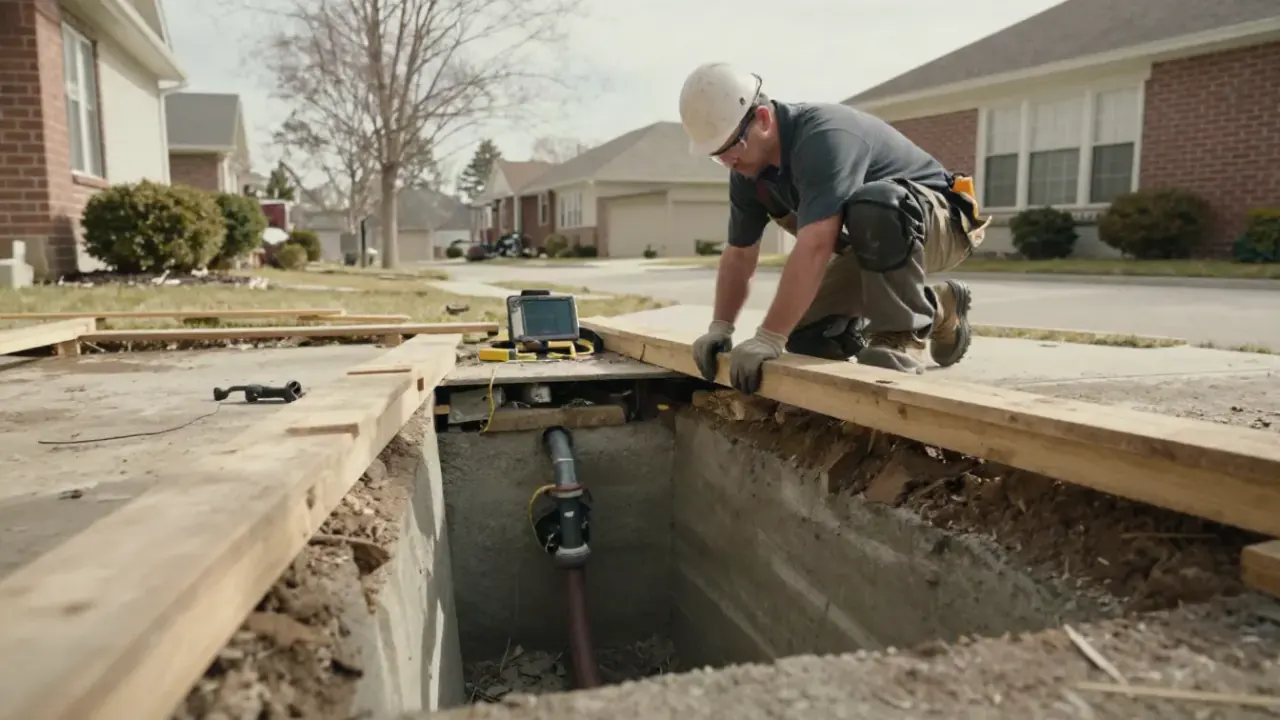 Slab Leak Tunneling (Under-Slab Access)When lining isn't viable, we tunnel under the slab from the exterior instead of breaking through your floor. It's the access method that makes deep under-slab repairs possible without wrecking finished rooms in Missouri City homes.Explore →
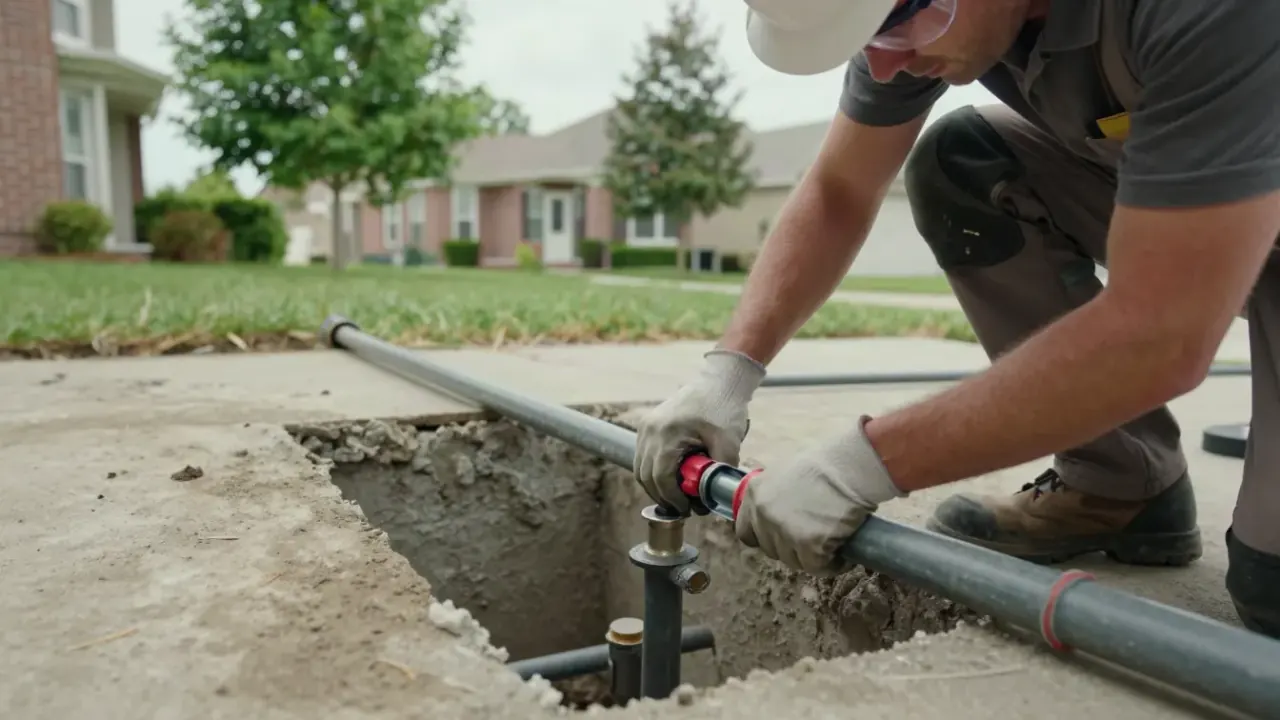 Pipe ReroutingIf a line has too many fittings or bends to line, rerouting sends a new run overhead or through the attic. We handle reroutes in Missouri City when the existing pipe geometry rules out a liner.Explore →
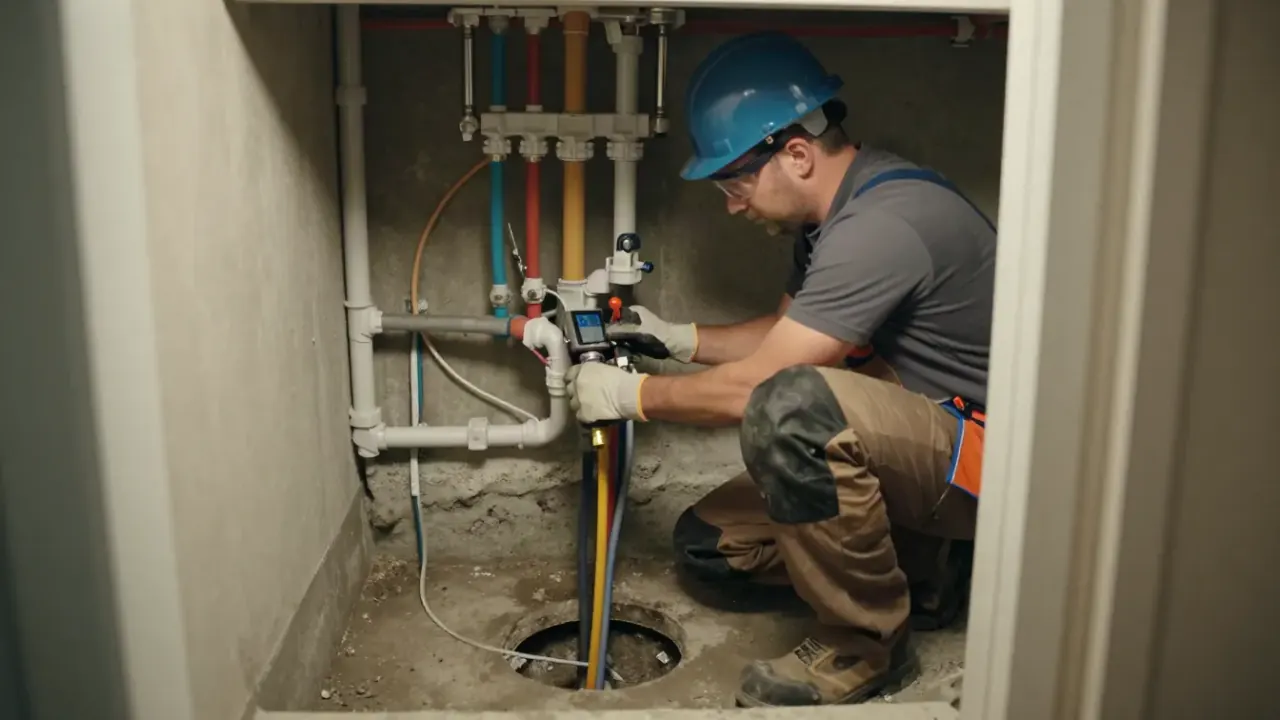 Whole-House RepipingWhen corrosion has spread through most of the system, lining one run just delays the next failure. We repipe in copper or PEX and can line the under-slab portions to avoid demolition.Explore →
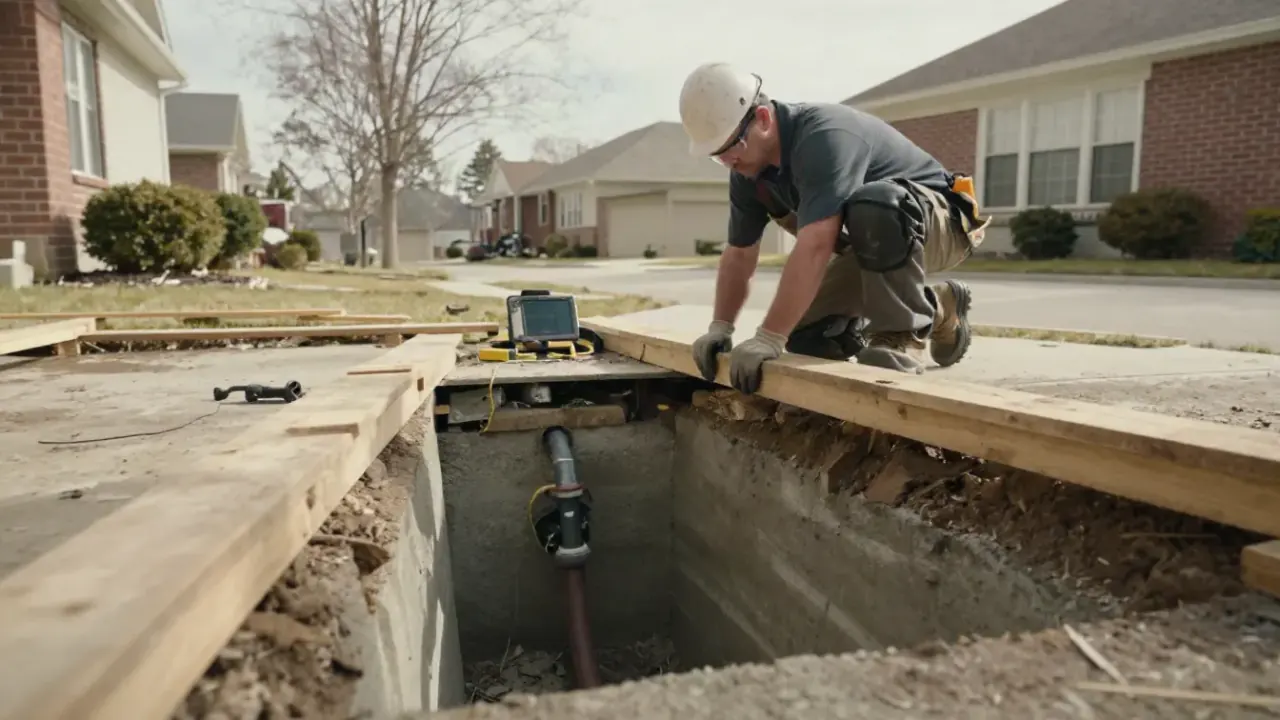 Water Service Line Leak RepairThe line from the meter to your house is a common leak point in older Missouri City neighborhoods. We locate and repair it, and line it when the pipe is otherwise sound.Explore →
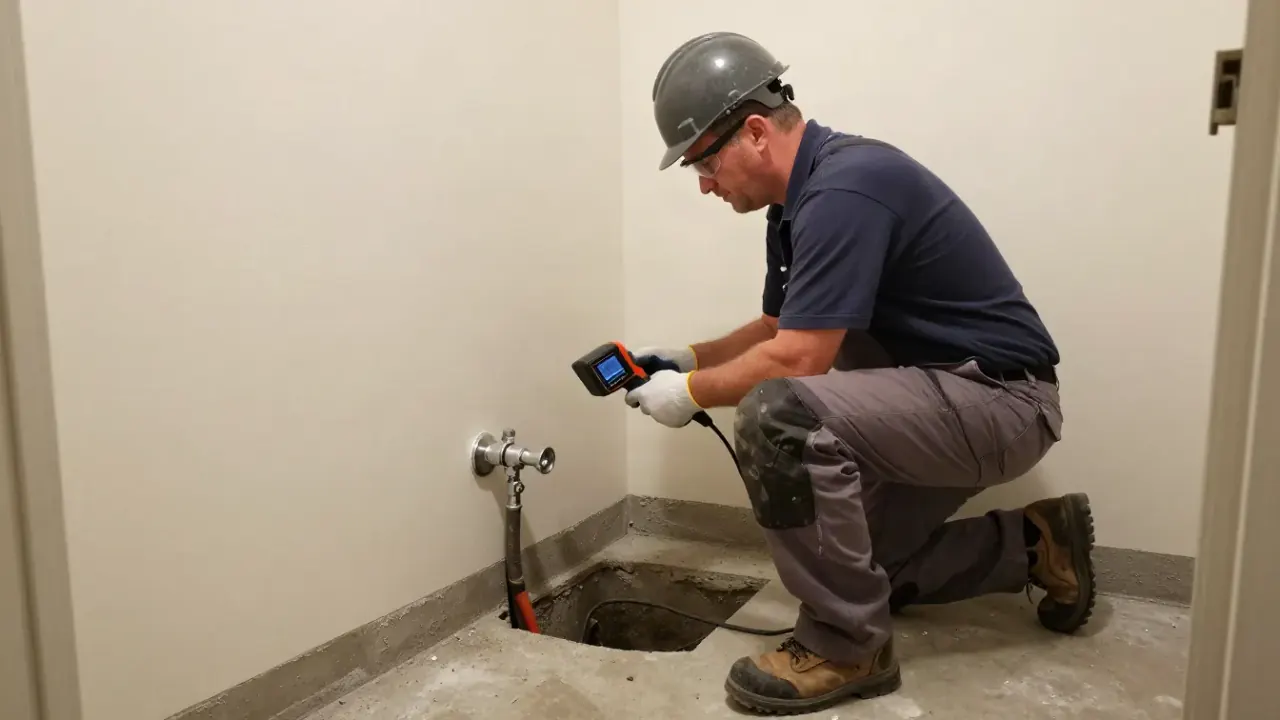 Hot Water Line Leak RepairHot lines fail first because heat accelerates copper corrosion. We repair or line the hot side, then test the whole system so you're not back in three months for the cold line.Explore →
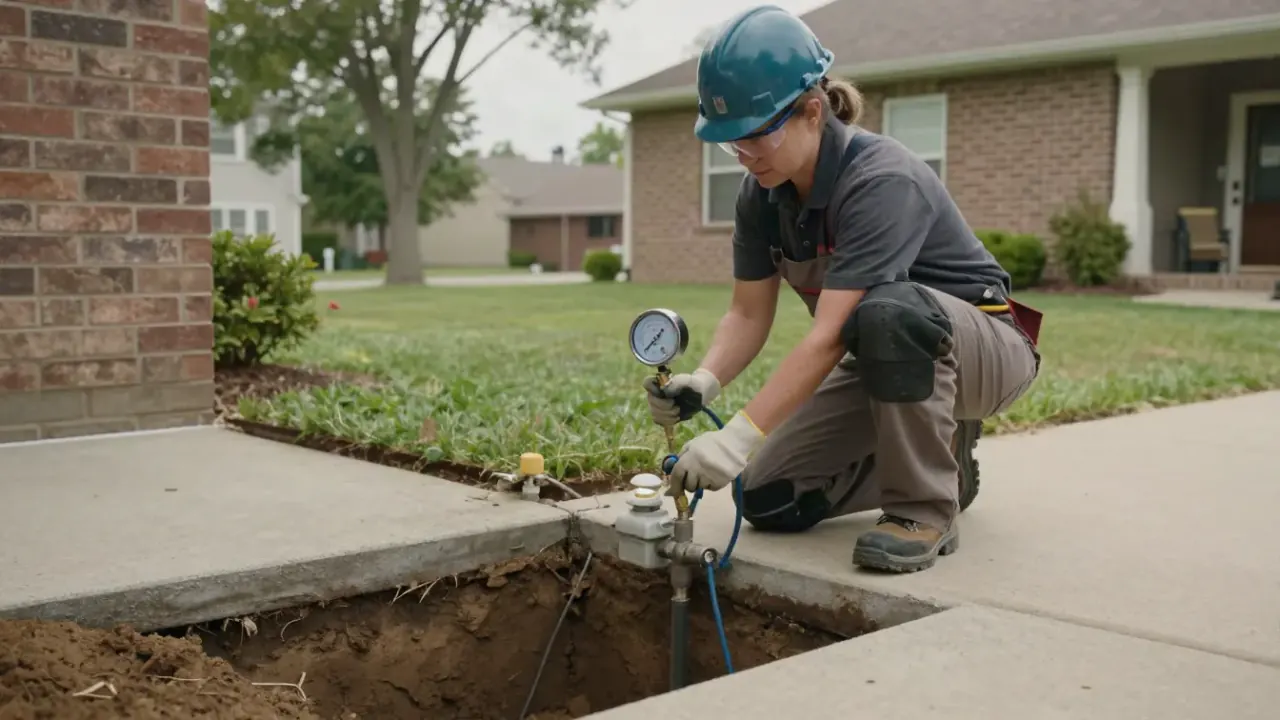 High Water Bill Leak InvestigationA $100 jump with no visible water usually means an under-slab leak. We use acoustic and thermal tools to find it fast, then quote the right fix.Explore →
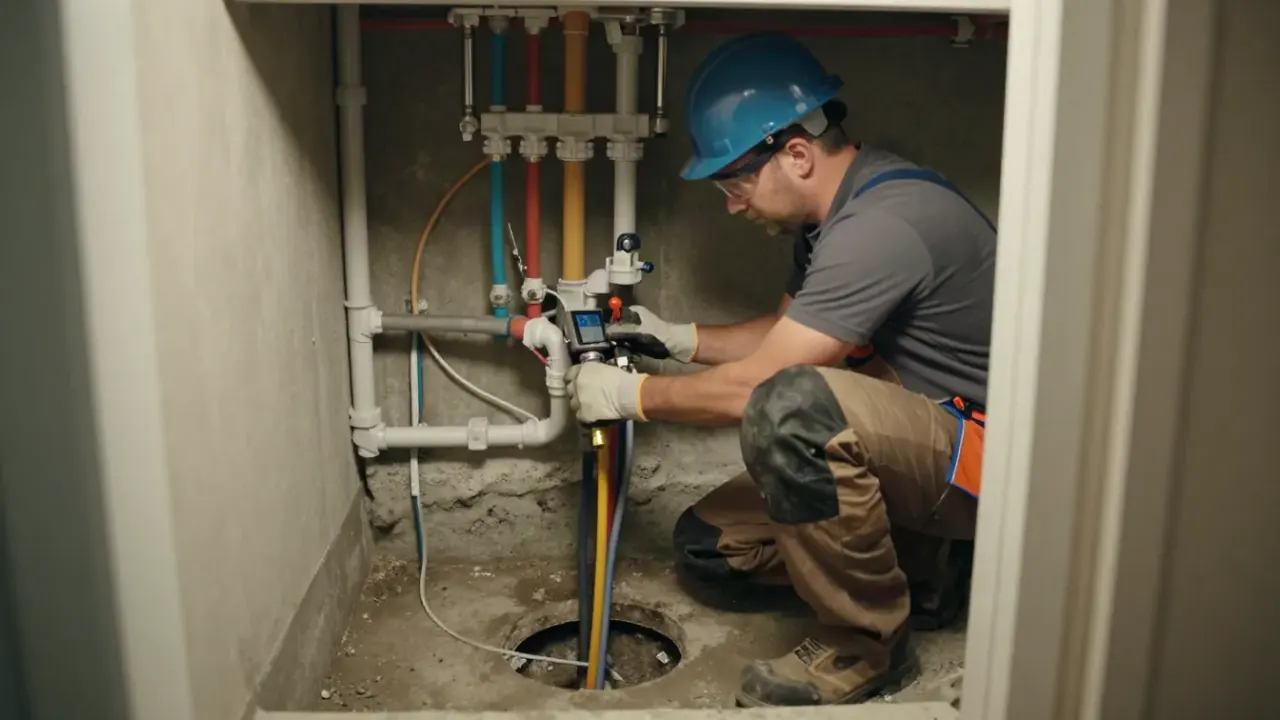 Copper Pipe RepairPinhole leaks and joint failures in copper are the classic candidate for epoxy lining. We repair what's accessible and line what's buried.Explore →
 Post-Tension Slab Leak RepairPost-tension slabs are the reason trenchless methods matter. Cutting cables is catastrophic, so we line or tunnel around them to reach the failed pipe.Explore →
Licensed, insured, and warrantied. We answer the phone 24/7, and we'll tell you straight whether lining is your fix or whether you need something else. One call gets you a real answer and a flat price.
Book an inspection (281) 326-6169 →Call us at (281) 326-6169 or email [email protected]. We answer the phone 24/7 for emergencies and respond to emails within one business hour. Our office is in Missouri City, and we serve all of Fort Bend County.