Water bill doubled with no change in habits
We pressure-test the system, isolate the leaking line, and confirm the loss at the meter. Once located, we repair the section or reroute the line, and you watch the next bill drop back to normal.
A high water bill leak investigation Missouri City TX homeowners call us for starts with one question: where is the water going? We pressure-test your lines, listen for the leak with acoustic gear, and scan the slab with a thermal imaging camera. Whether you're in Sienna or Quail Valley, we pinpoint the break, explain the repair, and stop the waste before the next meter read.
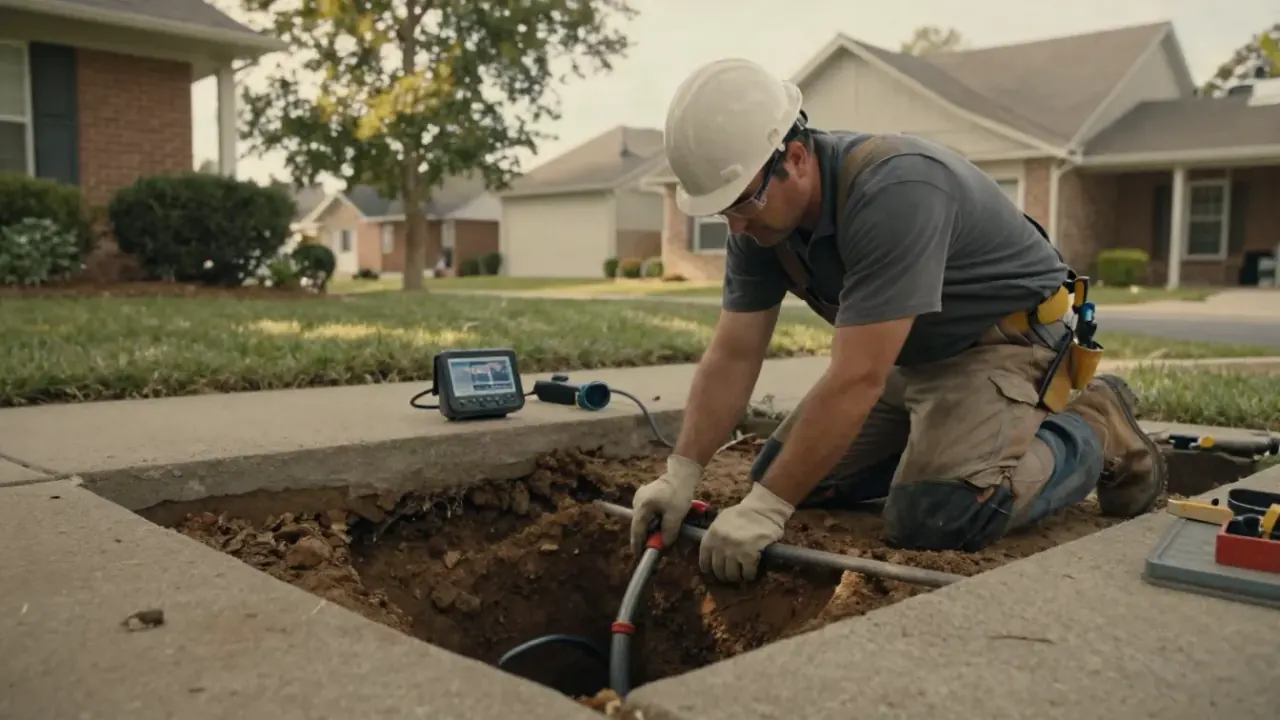
A high water bill leak investigation Missouri City TX is a diagnostic service that pressure-tests your plumbing, listens for escaping water, and scans the slab to locate hidden leaks before they wreck your foundation. We isolate the hot and cold sides, watch the meter with every fixture off, and use a pipe locator to map the line under the concrete. Most investigations take two to four hours and end with a marked location, a written finding, and a repair plan.
Missouri City sits on expansive clay soil that shifts with every wet and dry cycle, and that movement stresses copper pipe under slab-built homes across Fort Bend County. A water leak detection Missouri City call usually starts the same way: the homeowner noticed a jump from $60 to $180 on the bill, or heard water running when nothing was on. If you're asking why is my water bill so high in Missouri City Texas, the answer is almost always a slab leak, a hot water line leak, or a failing water service line.
Every high water bill leak investigation Missouri City TX visit includes the full diagnostic package below. Repair work is quoted separately once we know what we're dealing with, and you approve it before we start.
We isolate the hot and cold sides and pressure-test each one to confirm water is escaping and which side it's on. This is the step that separates a real slab leak from a running toilet or a stuck irrigation valve.
Acoustic listening devices track the sound of the leak through the concrete, and a thermal imaging camera shows the heat signature of hot water soaking the slab. We cross-check both readings so the location is confirmed, not guessed.
A pipe locator maps the line under the floor, including depth and direction. That map tells the repair crew where to tunnel or cut, and it keeps the access point small. You get a copy with the report.
You receive a written report listing the pipe material, the leak location, the meter readings before and after isolation, and photos of the thermal and acoustic hits. It's the document your insurance adjuster will ask for.
We lay out spot repair, pipe rerouting, and epoxy pipe lining with 2026 pricing for each. You see the trade-offs in lifespan and cost, and you choose. No pressure, no same-day-only discount games.
We shut every fixture, watch the meter dial, and pressure-test the system to confirm water is escaping. A moving dial with nothing running tells us the leak is on the supply side. This step takes about 20 minutes and costs you nothing in guesswork.
We walk the slab with acoustic listening devices and a pipe locator, tracking the sound of water through the concrete. Copper pipe corrosion and hot water line leaks have a distinct signature, and we follow it to the source. Most leaks get narrowed to a two-foot zone in this pass.
A thermal imaging camera shows the warm streak where hot water is soaking the slab. We compare that against the acoustic hit and the pipe map. When both tools agree, we know the location cold before we mark the floor.
We isolate the suspect line, re-pressurize it, and confirm the loss stops when that section is valved off. Then we mark the floor with tape and shoot photos of the readings. You get a written finding with the pipe material, depth, and recommended repair.
We walk you through the fix: spot repair, reroute, or trenchless lining, with 2026 pricing in writing. If you approve, we schedule the work, usually within a few days. If you want a second opinion, you keep the report and the marked location.
Purpose-built equipment, used by trained technicians — so the job is done accurately the first time.
We place these on the slab and floor to hear the sound of water escaping under pressure. They narrow the leak to a small zone before anything is cut.
The camera reads surface temperature across the floor. A hot water line leak shows as a warm streak, which confirms the acoustic hit and points to the exact run.
We isolate the hot and cold sides and pressurize each one to prove which side is losing water. It's the difference between a diagnosis and a guess.
This maps the line under the concrete, including depth and direction. The repair crew uses that map to tunnel or cut at the right spot.
We check walls, baseboards, and cabinets for elevated moisture. It catches leaks that have migrated away from the pipe and confirms whether drying is needed.
When the leak is in a wall or drain line, we run a camera to see the pipe from the inside. It shows corrosion, cracks, and failed fittings without opening the wall.
A family of four in Sienna watched their bill jump from $72 to $210 in one cycle. The meter spun with everything off, and a warm spot had appeared near the kitchen island. They were two weeks from calling a foundation company.
We pressure-tested the hot side, confirmed the loss, and the thermal camera lit up a hot water line leak under the island. We tunneled from outside, replaced four feet of copper, and re-tested. The next bill came in at $78.
A 1968 Quail Valley home had three pinhole leaks repaired in two years, each one a separate jackhammer job. The owner was tired of patching and worried the next leak would hit the living room tile.
The investigation found corrosion along a 12-foot run of copper. Instead of a fourth spot repair, we lined the run with epoxy pipe lining. No floor was broken, and the line has held through two full seasons.
A Lake Olympia homeowner called at 7 a.m. hearing water run with every fixture off. The meter was spinning fast, and the yard between the meter and the house had a soggy strip. The bill had already doubled once.
We isolated the service line in 40 minutes and confirmed the leak was outside the foundation. The line was replaced the same day with Uponor PEX, the permit was pulled, and the inspection passed. The meter stopped dead.
Most of our calls start with one of these four problems. Each one has a fix, and the investigation is what tells us which fix is right.
Ask a pro →We pressure-test the system, isolate the leaking line, and confirm the loss at the meter. Once located, we repair the section or reroute the line, and you watch the next bill drop back to normal.
The thermal imaging camera confirms the hot line, and acoustic gear pins the spot. We repair or reroute the line, then re-test to prove the loss has stopped before we close up.
We find and stop the leak first, because foundation work without fixing the water source is wasted money. Then we document the repair so your foundation contractor knows the soil has stopped getting wet.
We valve off sections one at a time until the meter stops, which isolates the leaking line in under an hour. From there we locate it precisely and quote the repair the same day.
$250 - $550 for the investigation; repairs quoted separately from $450 to $4,500 depending on method
Typical 2026 pricing for a high water bill leak investigation in this area runs $250 to $550, depending on how many lines we test and whether the leak is under the slab or in a wall. That covers the pressure test, acoustic listening, thermal scan, pipe location, and a written finding with photos. If you approve the repair, we credit part of the investigation fee toward the work. Repair pricing depends on the fix: a spot repair is the least expensive, pipe rerouting sits in the middle, and trenchless epoxy pipe lining costs more upfront but avoids breaking your floor. We give you the numbers in writing before you decide, and the investigation fee is the same whether you hire us for the repair or not.
One investigation stops the water loss and tells you exactly what the repair costs. Homeowners who skip it usually pay for a foundation repair later, and that bill starts around $8,000. The math isn't close.
A single hot line test is quick. Testing hot, cold, and the service line takes longer and uses more gear, which moves the price toward the top of the range.
A leak in a wall or the yard is easier to access and confirm. Under-slab leaks need the pipe locator and more careful mapping, which adds time to the investigation.
Post-tension slabs carry tensioned cables, so we map the tendons before recommending any access. That extra step protects you from a very expensive mistake.
Tile, hardwood, and carpet all affect how we mark and later access the leak. Finished floors mean we plan a tunnel or reroute instead of cutting through the room.
“Our bill went from $70 to $210 in one cycle and I had no idea why. The tech pressure-tested everything, found a hot water line leak under the kitchen slab with the thermal camera, and marked it with tape. He showed me the meter stopping when he valved it off. Repair was done two days later, and the next bill was back to normal.”
Denise R.Homeowner, Sienna
✓ Verified“1968 house, original copper, and I'd already had two pinhole leaks fixed. They ran the full investigation and found the line was corroded along a 12-foot run, so we went with epoxy pipe lining instead of another spot repair. No digging in the hallway, no mess. Six months in and the meter is steady.”
Marcus T.Homeowner, Quail Valley
✓ Verified“I called at 7 a.m. because I could hear water running with everything off. They had a tech out by 11 and confirmed a water service line leak between the meter and the house. Gave me the price in writing before starting, pulled the permit, and had it repaired the same day. Straight answers the whole way.”
Priya S.Homeowner, Lake Olympia
✓ VerifiedA sudden spike almost always means a supply-side leak: a slab leak, a hot water line leak, or a failing water service line between the meter and the house. Check your meter with every fixture off. If the dial still moves, water is escaping. Toilets and irrigation can also cause spikes, so we rule those out first, then pressure-test the lines.
Typical 2026 pricing for a high water bill leak investigation cost Missouri City TX runs $250 to $550, depending on how many lines we test and whether the leak is under the slab or in a wall. That fee covers the pressure test, acoustic listening, thermal scan, and a written finding. If you approve the repair, we credit part of the investigation toward the work.
Start at the meter: shut everything off and watch the dial for two minutes. Then check the water heater pan, toilet flappers, and any wet spots on the floor. If the meter moves and nothing is visible, the leak is likely under the slab. That's when you call us, because acoustic listening devices and thermal imaging cameras find what eyes can't.
Many Texas homeowner policies cover the access and repair when the leak is sudden and accidental, though the investigation fee itself is often out of pocket. We document everything with photos, meter readings, and a written finding you can hand your adjuster. Coverage depends on your policy, so call your insurer with our report in hand.
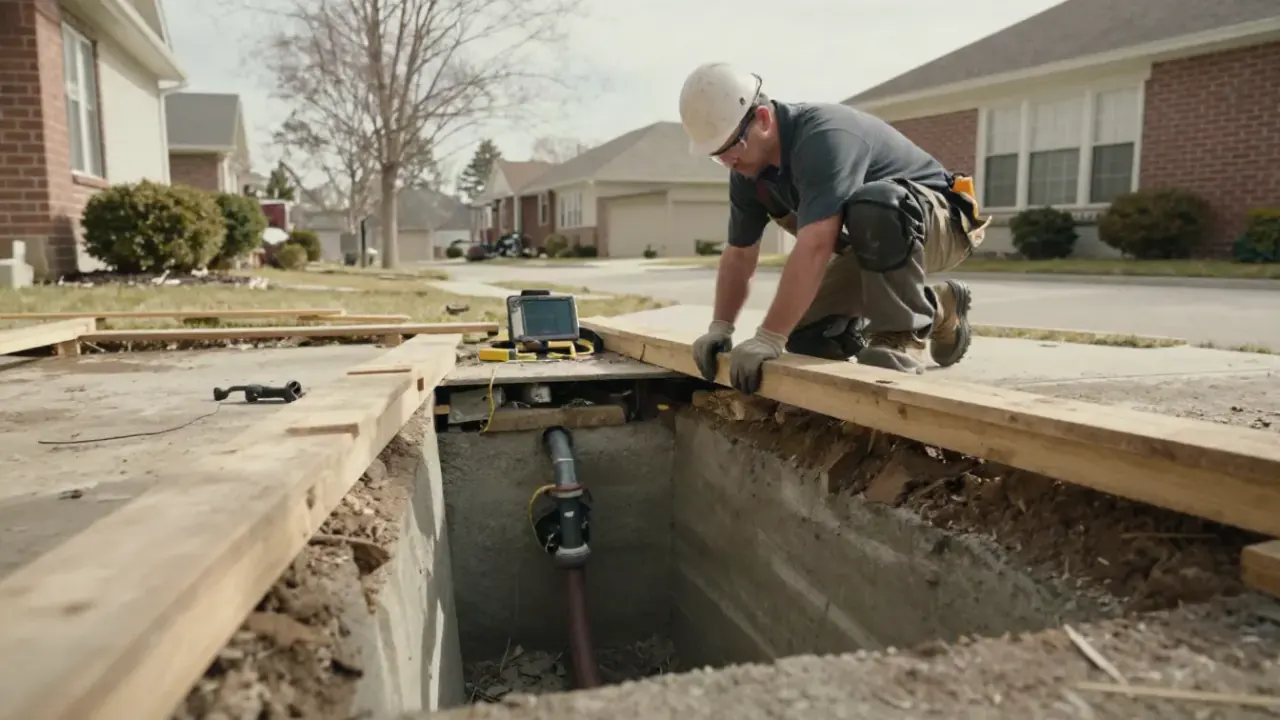 Slab Leak Tunneling (Under-Slab Access)When the investigation pins the leak under a finished floor, we tunnel from outside the foundation instead of breaking the slab. You keep your tile, and the repair happens below grade. Most tunnels run 6 to 10 feet and take a day.Explore →
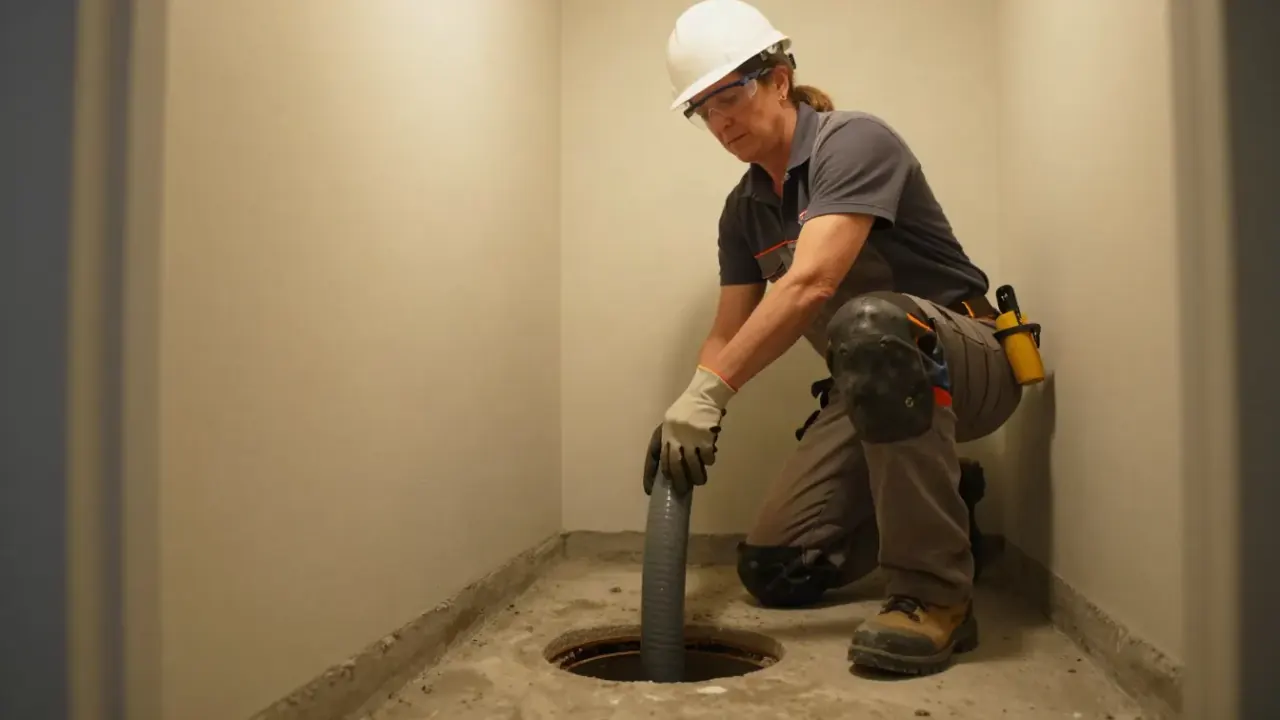 Epoxy Pipe Lining (Trenchless)For copper pipe corrosion along a long run, epoxy pipe lining restores the inside of the pipe without digging it up. We blow in pipe lining felt, cure it, and you get a smooth liner that stops pinhole leaks. It's a strong fit when the investigation shows scattered corrosion.Explore →
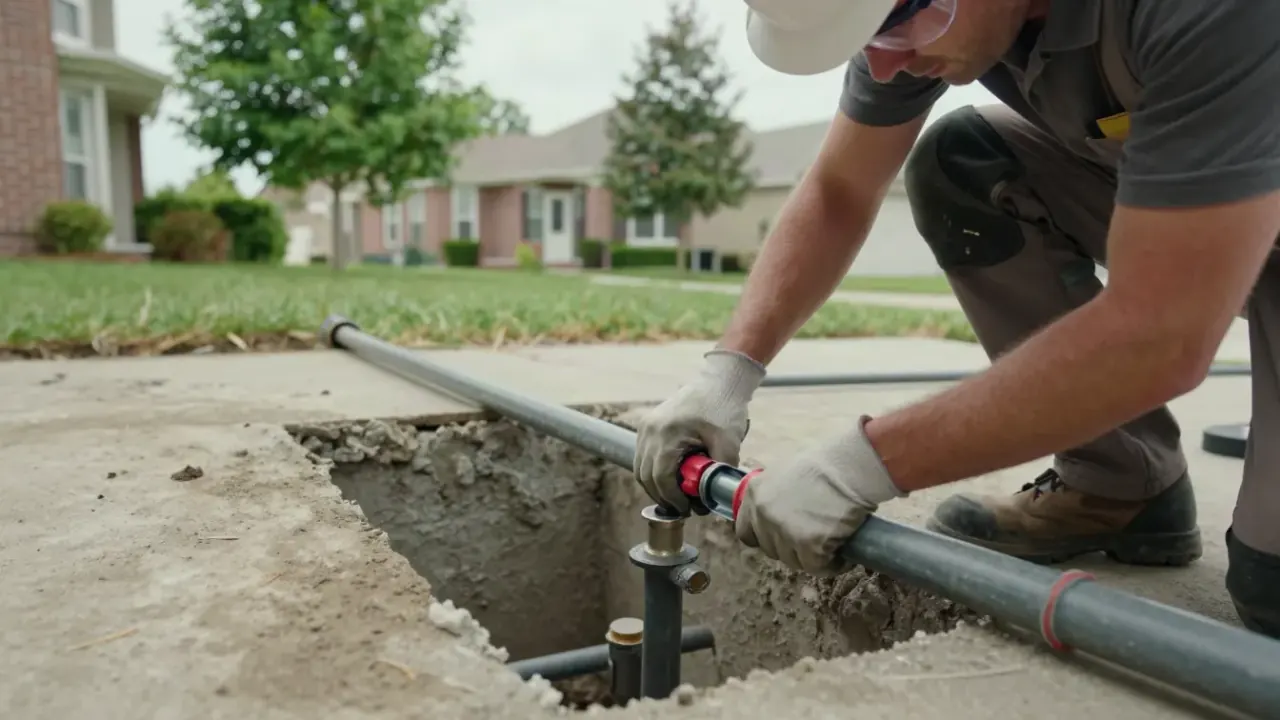 Pipe ReroutingSometimes the smartest fix is to abandon the leaking line and run a new PEX pipe through the attic or walls. Pipe rerouting avoids the slab entirely and often costs less than digging. We recommend it when the investigation shows a line that will keep failing.Explore →
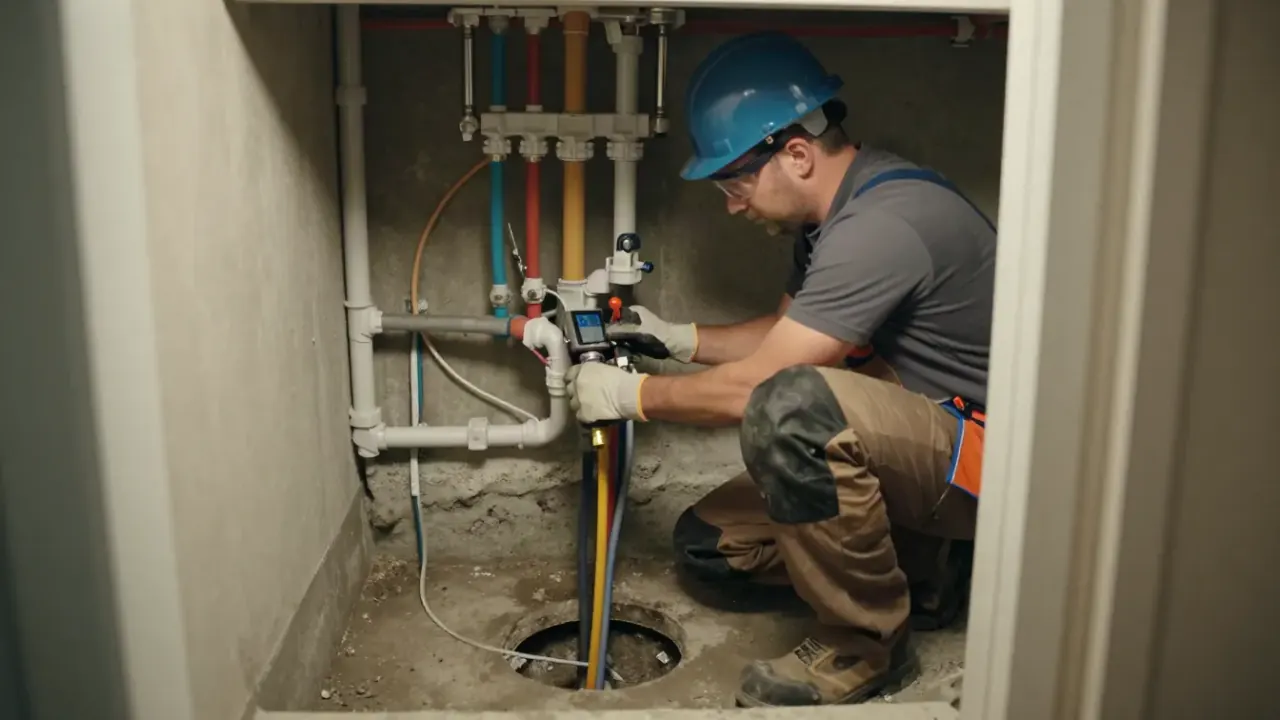 Whole-House RepipingIf the investigation turns up multiple failing sections, repiping the house with PEX or copper ends the cycle of repairs. We plan the routes, pull the permit, and handle the drywall patching. It's the long-term answer for older Quail Valley and Briargate homes.Explore →
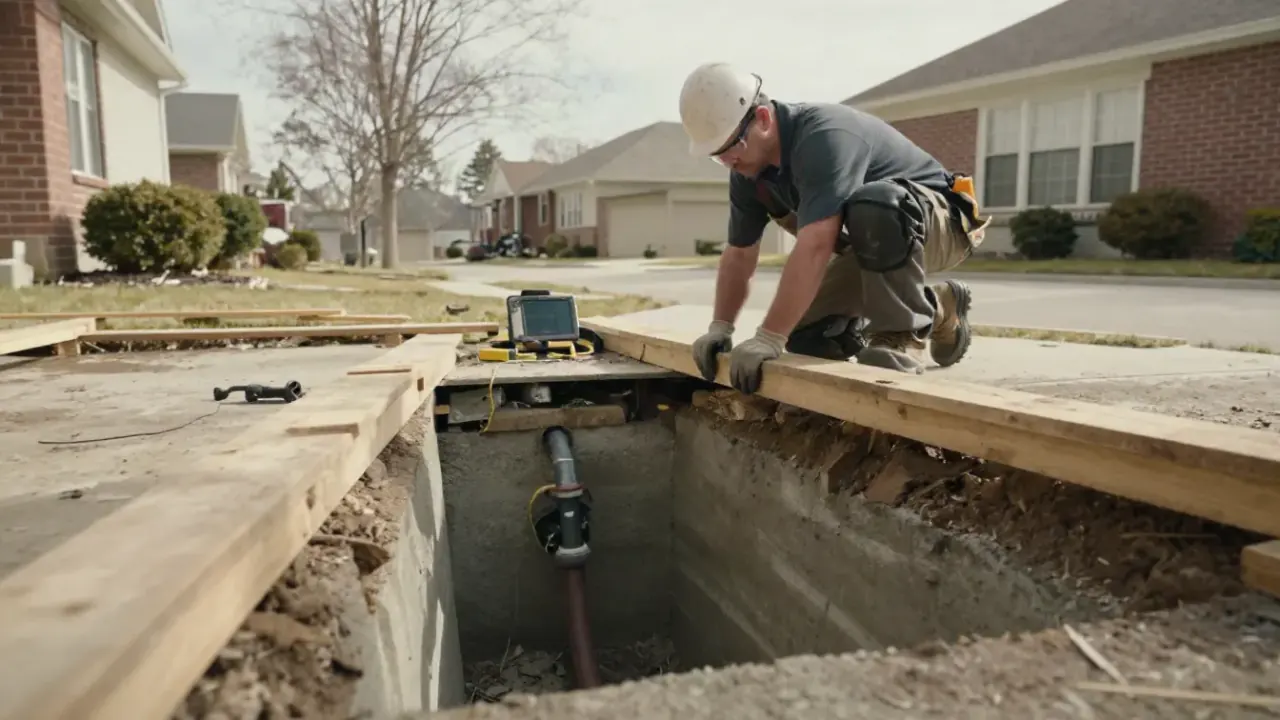 Water Service Line Leak RepairThe line between your meter and the house is your responsibility, and it fails more often than homeowners expect. Our investigation confirms whether the loss is on the service line, and we repair or replace it with SharkBite or Uponor fittings rated for the depth.Explore →
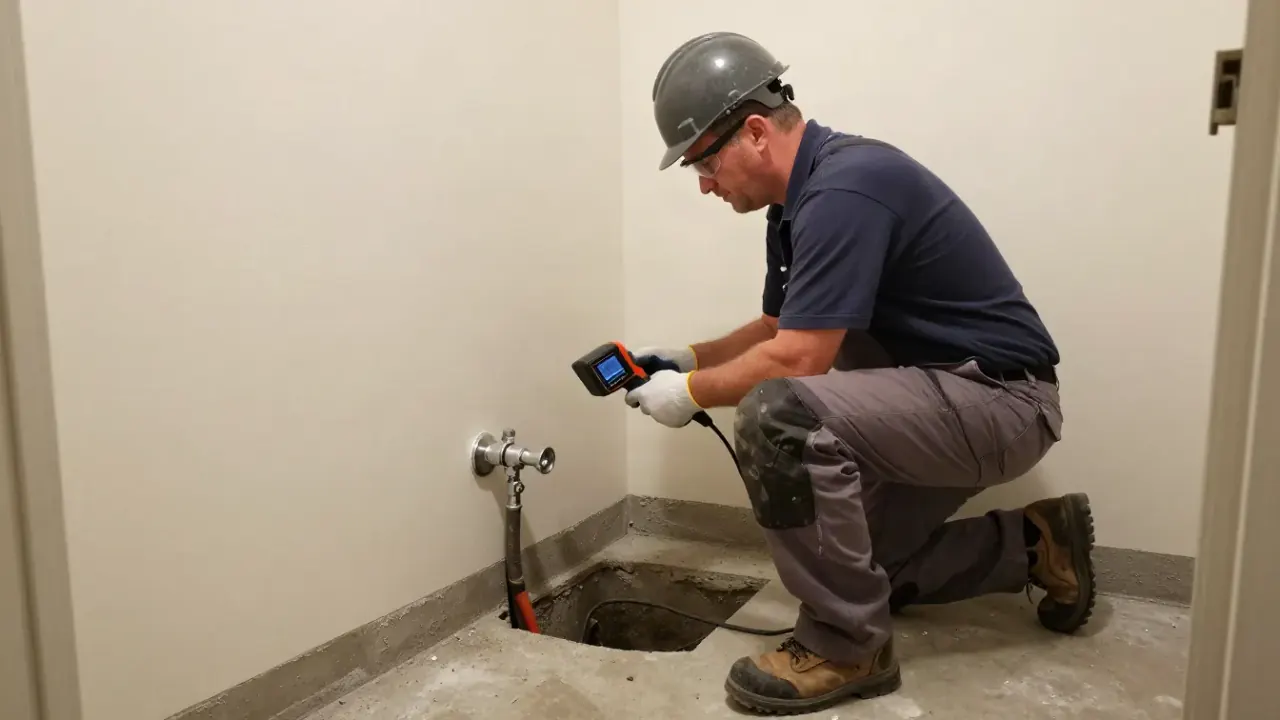 Hot Water Line Leak RepairHot lines corrode faster and leak under the slab more often than cold lines. The thermal scan usually lights them up fast. We isolate the line, confirm the loss, and repair or reroute it so your water heater stops feeding the soil.Explore →
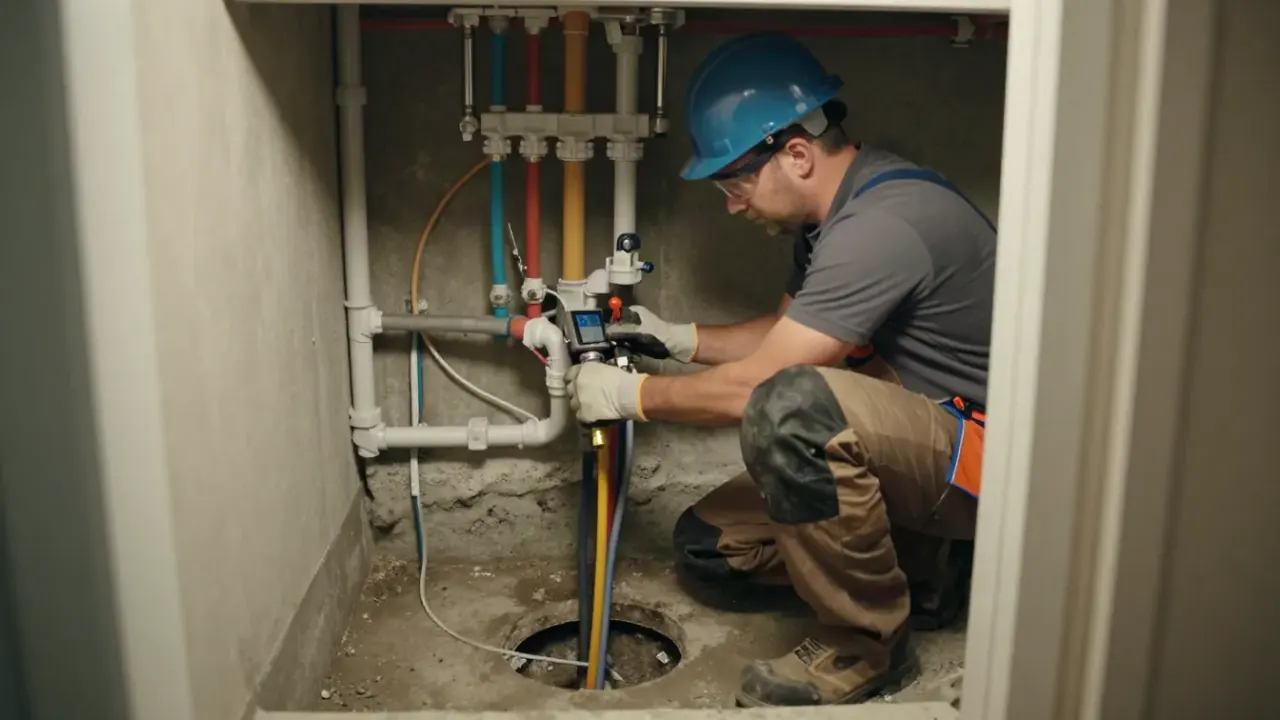 Copper Pipe RepairPinhole leaks in copper pipe are the classic Missouri City slab leak. We cut out the failed section, sweat in new copper, and pressure-test it before closing up. For scattered pinholes, we'll talk through lining or rerouting instead.Explore →
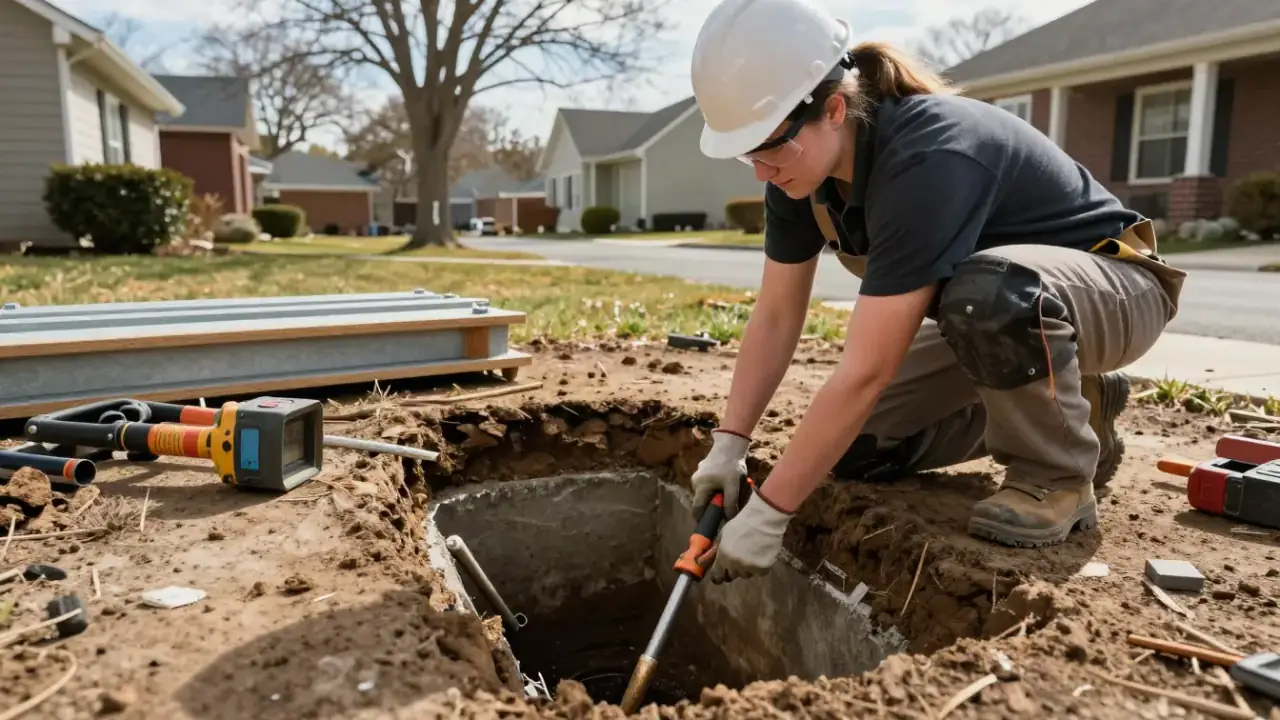 Post-Tension Slab Leak RepairPost-tension slabs carry tensioned cables you cannot cut, so the repair has to route around them. We map the cables first, then tunnel or reroute. Getting this wrong is expensive, which is why the investigation and cable map come before any concrete work.Explore →
If your meter is spinning and nothing is running, the leak is real and it's costing you every day. Call (281) 326-6169 and we'll schedule a same-day or next-day investigation. Licensed, insured, and we mark the leak before we quote the repair.
Schedule Investigation (281) 326-6169 →Call us at (281) 326-6169 or email [email protected]. We answer the phone 24/7 for emergencies and respond to emails within one business hour. Our office is in Missouri City, and we serve all of Fort Bend County.